When Silence Becomes Design: The Rise of Acoustic Panels in Modern Architecture
There was a time when architecture was all about what you could see — the lines, the light, the structure. But today, what you hear (or don’t hear) has become just as important. The world is getting noisier — cities hum with constant traffic, open offices buzz with chatter, and even homes are filled with sound from devices and appliances. And that’s exactly where Acoustic Panels have stepped in — transforming how spaces feel, not just how they look.

The Subtle Power of Silence
Silence has a strange power — it calms you, clears your head, and helps you focus. Yet in modern life, silence is a rare luxury. That’s why architects and interior designers are now turning to acoustic design not just as a functional fix but as an emotional experience. These panels absorb unwanted sound, reduce echoes, and bring back a sense of peace we didn’t realize we were missing.
Walk into a well-designed café or office today, and you might not notice the panels right away. But you’ll feel them. The space feels softer, more balanced, and somehow more human. That’s the magic — acoustic panels are no longer just industrial tools hidden behind walls. They’ve become part of the design language itself.
From Utility to Aesthetic Statement
In the past, anything sound-related meant bulky foam or boring wall tiles. But the story’s changed completely. Modern acoustic panels now come in beautiful textures, shapes, and colors that can complement or even elevate interiors.
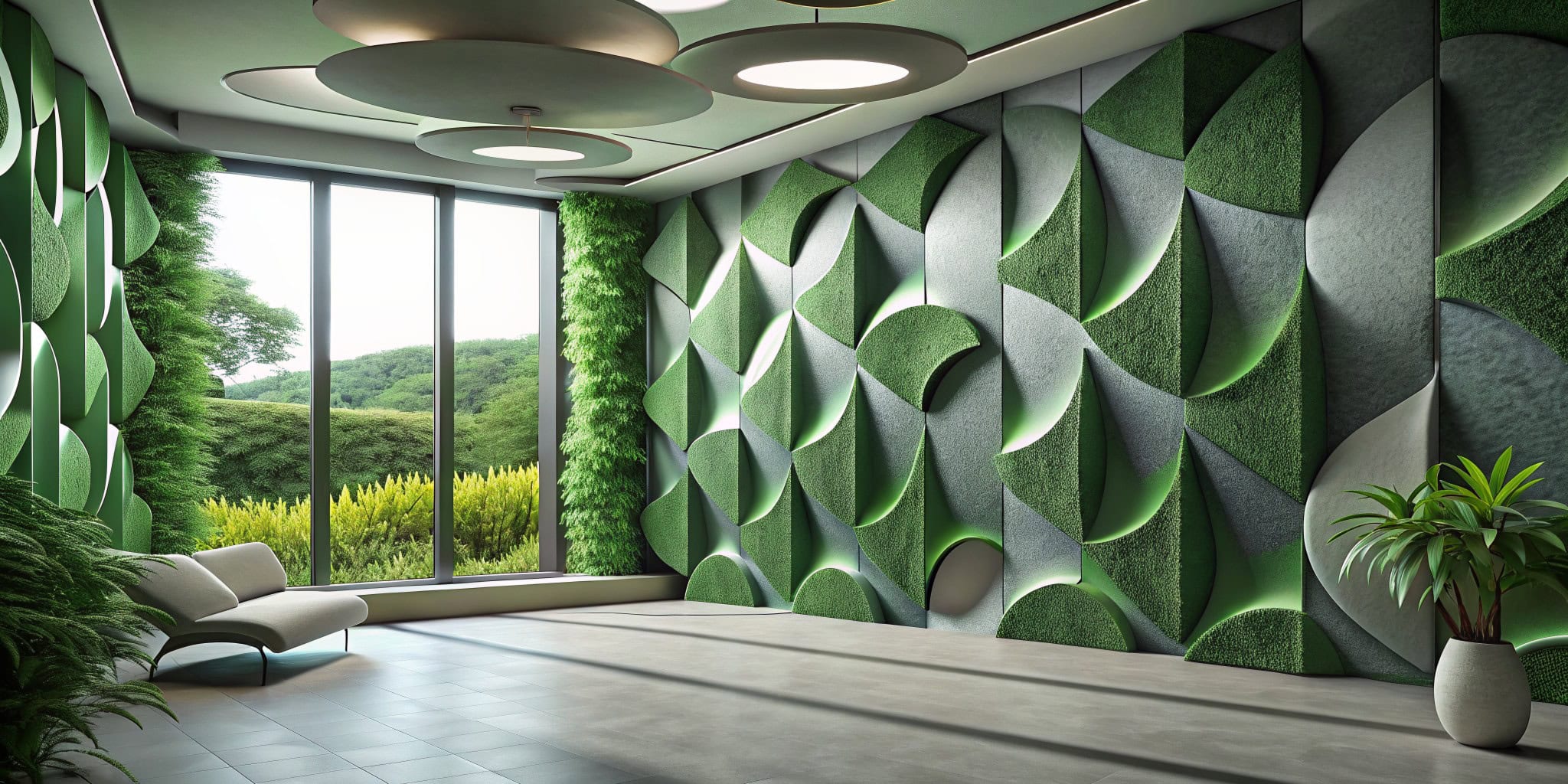
Designers use them like art — think geometric wall patterns, ceiling clouds, or fabric-covered panels that blend seamlessly into a space. Some even double as statement pieces, turning walls into visual stories.
It’s form meeting function in the purest way — quiet spaces that look just as good as they sound.
Why the Demand Is Growing
There’s a deeper reason behind the acoustic revolution. The rise of open-concept spaces — in homes, offices, and public buildings — has made sound control essential. No walls mean more collaboration, yes, but also more distractions. Conversations, footsteps, and even the hum of an air conditioner start competing for your attention.
That’s why more architects now include sound management in the initial design phase, not as an afterthought. The goal isn’t just quiet — it’s comfort. When people feel at ease in a space, they think better, work better, and even connect better.
And it’s not limited to offices or auditoriums anymore. Acoustic panels are finding their place in:
Restaurants – for calmer, more intimate dining experiences.
Homes – especially home offices or entertainment rooms.
Schools and libraries – where concentration is key.
Studios and theatres – to control sound precision.
Noise has quietly become one of the biggest wellness challenges of our time. Studies even show that consistent background noise can increase stress and reduce focus. So, sound design isn’t just a style choice anymore — it’s about mental well-being.
How Acoustic Panels Transform Spaces
Imagine walking into a minimalist office with glass walls and marble floors — visually stunning but echoing every word. Now add soft-textured panels on the ceiling and a few fabric-covered walls. Suddenly, the air feels warmer. The noise melts away. You can actually think.
That’s what acoustic panels do: they absorb reflections, balance frequencies, and give the sound in a room a sense of direction. You might not see them working, but you instantly feel the difference.
It’s like lighting — when it’s right, no one notices it. When it’s wrong, everyone does.
The Emotional Side of Sound
There’s also something deeply emotional about the way sound shapes mood. A well-balanced room feels more alive, yet more grounded. People tend to speak softer, move slower, and linger longer. Whether it’s a cozy café or a corporate meeting room, acoustic design builds an invisible kind of comfort — the kind you don’t realize you crave until it’s gone.
And for designers, this emotional layer has become an exciting new playground. They’re not just designing for sight anymore; they’re designing for how people feel inside a space.
The Future Sounds Better
We’re stepping into an era where silence itself has become a form of luxury. Acoustic panels are leading that shift — reshaping the way we experience architecture. In the next few years, expect to see even more creative uses: panels made of recycled materials, smart acoustic systems that adapt to real-time noise levels, and designs that turn silence into an art form.
It’s not just about blocking sound; it’s about designing harmony. Spaces that let you think, breathe, and just be.
When silence becomes design, architecture stops being just about walls and roofs — it starts becoming about emotion, balance, and human experience.
According to a report by Architectural Digest, modern designers are increasingly integrating sound-absorbing materials into everyday architecture, seeing them as vital to both wellness and aesthetics.


Comments
Post a Comment