Tired of Noise You Can’t Escape? Acoustic Panels Might Be the Fix You Didn’t Know You Needed
It creeps in when you're working from home. It breaks your focus during meetings. It keeps your baby from napping, makes your walls feel thin, and leaves you wondering if peace and quiet is just something other people get to have. If you’ve ever felt like you can hear everything—your neighbor’s dog, the cars outside, the hum of appliances—you’re not being dramatic. Modern buildings might look beautiful, but they’re not always built to keep sound out. And that’s where acoustic panels quietly come to the rescue.
The Noise Problem No One Talks About
We talk about traffic, pollution, and even screen time—but noise? Most of us just accept it as part of daily life. The truth is, constant background noise does more than just annoy us. It affects sleep. It raises stress. It makes concentration harder and turns cozy homes into restless spaces.
And here's the wild part: it doesn’t matter if you're in a big city or a quiet suburb. Open layouts, hard surfaces, and thin walls make echoes and noise travel everywhere. We just don’t always realize how much it’s affecting us—until it's gone.

So, What Actually Are Acoustic Panels?
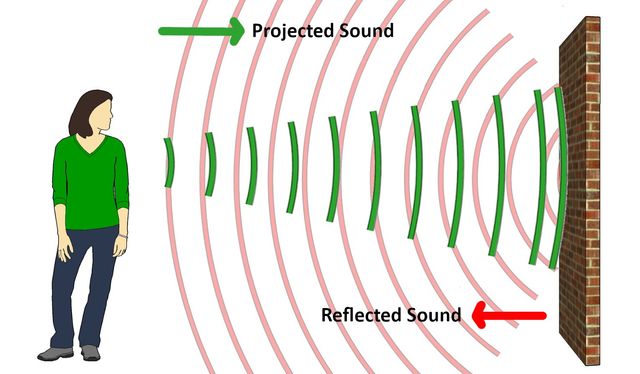
If you imagine big, industrial foam stuck to walls, think again. Acoustic panels have come a long way. Today’s designs are sleek, stylish, and look like art. But it’s not just about looks—they absorb sound waves that bounce around your room. That echo when you talk on the phone? Gone. That weird hum when you're recording audio? Reduced. Even the chaos from kids running around feels less sharp.
Acoustic panels don’t block sound from the outside—that’s a job for soundproofing. But what they do is soften and balance the sound inside a room. It’s the difference between a loud, echoey mess and a calm, clean-sounding space. And that change? You feel
it more than you hear it.:max_bytes(150000):strip_icc()/SPR-soundproof-your-room-or-apartment-4062945-hero-8d6f86497836455db797440f81be360e.jpg)
Real People, Real Fixes
Ask anyone who’s installed them, and you’ll hear the same thing: “Why didn’t I do this sooner?”
A freelance designer said her client calls sound improved overnight, just by adding panels behind her desk.
A mom of two finally got her toddler to nap through the afternoon, thanks to soft panels on their shared bedroom wall.
A small café owner said customers actually started staying longer—because conversations didn’t bounce off the walls like before.
None of these people were building music studios or high-tech offices. They were just regular folks tired of feeling overstimulated in their own spaces.
When Is It Worth It?
Here’s a simple gut check: If your space sounds busy, even when it’s not, it’s probably time to make a change.
Consider acoustic panels if you:
Work from home and hate how your voice echoes on Zoom
Have a newborn or a light sleeper in the house
Live near a busy street and feel like the sound is everywhere
Run a café, salon, or office and want your space to feel calmer
Love your space, but feel like something still doesn’t feel “right”
The great thing? You don’t need to cover every wall or break the bank. Even a few well-placed panels can completely shift the mood of a room.
Also Read: Warm in Winter, Cool in Chaos: Why Smarter Insulation Changes Everything
It’s Not Just About Noise—It’s About Comfort
We spend so much time perfecting the way a space looks—paint colors, lighting, furniture. But how it feels? That’s often tied to sound.
Imagine walking into a room that feels instantly peaceful. No echoes. No sharp clatter. Just soft, balanced sound that makes everything feel… better. That’s what good acoustic design does. And acoustic panels are the easiest first step to get there.
It’s one of those home upgrades that you don’t realize how much you needed—until it’s done. And suddenly, your space feels more like you. Less stress. More calm. The kind of quiet you thought only existed in hotels or luxury offices? It’s possible. Right at home.
And if you’re wondering whether it’s worth looking into—trust the people who know noise best. The Central Pollution Control Board (CPCB) has consistently emphasized how prolonged noise exposure affects public health and well-being. Creating healthier, quieter indoor environments isn't a luxury anymore. It’s a necessity.


Comments
Post a Comment