Rockwool Insulation: The Overlooked Shield Against Heat, Noise & Fire
When most people think of home comfort, they picture plush sofas, big windows, or maybe a good heater. But here’s the catch—none of that really matters if your walls can’t hold up against heat, noise, and fire. That’s where rockwool insulation quietly changes the game. It’s not a fancy gadget or a flashy material, but it’s one of the most dependable shields you can build into your home or workplace. The problem is, hardly anyone talks about it.
Why Rockwool Deserves More Attention
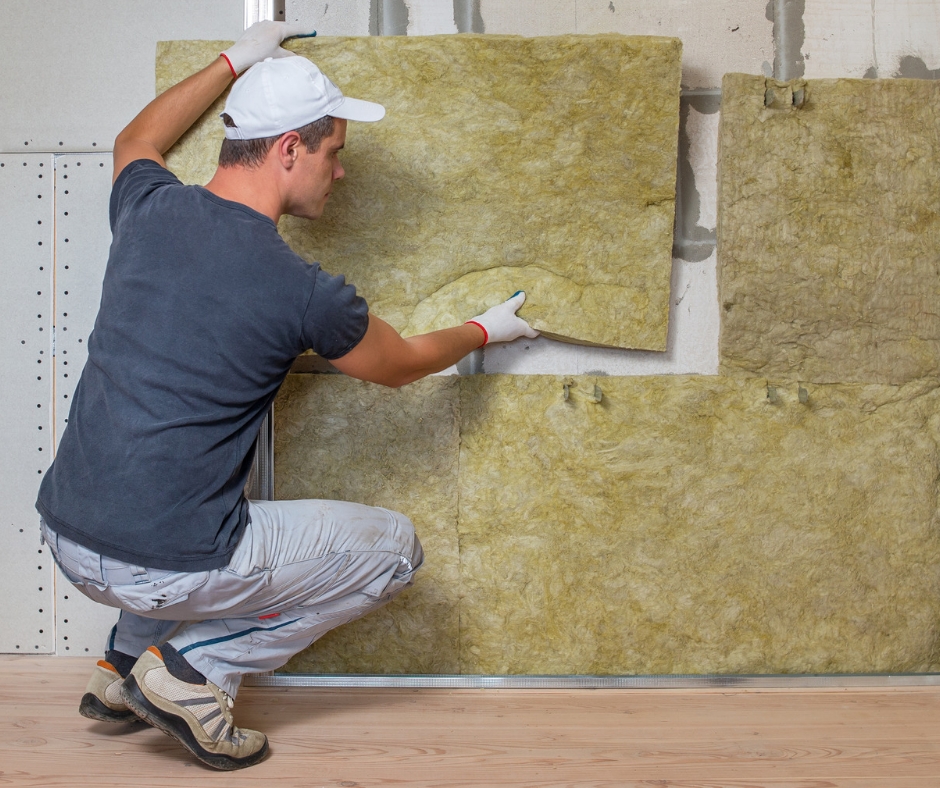
Insulation often gets reduced to one job: keeping you warm in winter. But real life is more complicated. Buildings need to breathe, protect, and balance comfort against risks that aren’t always visible. Rockwool steps in here because it’s built differently. Made from volcanic rock spun into fibers, it carries the raw toughness of stone yet has the softness to fit neatly into walls and ceilings.
That balance—strength and flexibility—is exactly what makes it so overlooked but so powerful.
The Heat Barrier You Didn’t Know You Needed
If you’ve ever lived in a house that feels like an oven in summer and a freezer in winter, you already know the pain of poor insulation. Rockwool keeps temperatures stable by trapping air between its fibers, slowing down heat transfer. The result? Rooms that don’t swing wildly between hot and cold. It’s the kind of comfort you don’t notice every day—but you sure do when it’s missing.
And here’s the kicker: better temperature control doesn’t just feel good, it saves money. When your home stays steady, your AC and heater don’t have to work overtime, and that shows up as lower energy bills.
Noise Isn’t Just Annoying—It’s Stressful
We often laugh about noisy neighbors, honking traffic, or that one barking dog, but anyone who’s lived with constant noise knows it’s more than just irritating—it wears you down. Your home should feel like a place to shut out the world. Rockwool helps with that, too.
Because of its dense structure, it absorbs sound waves instead of bouncing them around. That means fewer echoes, quieter rooms, and the peace of mind that comes with closing the door and actually feeling “home.”

Built-In Fire Resistance
Here’s something most people don’t think about until it’s too late: fire. While no material can claim to make a building completely fireproof, some can slow flames and stop them from spreading. Rockwool is naturally non-combustible because it’s made from stone. It can handle extremely high temperatures without catching fire or producing toxic smoke.
In real terms, that means more time to get out, more protection for what matters, and fewer chances of small accidents turning into life-changing disasters. Fire safety isn’t just about alarms and extinguishers—it’s also about the materials hidden inside your walls.
Why People Overlook It
If rockwool insulation is so effective, why isn’t it the first choice everywhere? Two reasons: awareness and perception. Many people don’t even know it exists—they only hear about fiberglass or foam. And for those who do know, rockwool sometimes sounds “too industrial” or “too heavy-duty” for regular homes. The truth is, it’s as practical for a small apartment as it is for a skyscraper. It’s just that the story hasn’t been told well enough.
Thinking Beyond Just Comfort
The real beauty of rockwool is that it solves multiple problems at once. Instead of choosing between energy efficiency, noise control, or fire resistance, you get all three in one package. It’s not about chasing the latest trend in construction—it’s about relying on a material that quietly works in the background, every single day.
When you think about it, insulation isn’t something you change often. Once it’s in your walls, it’s there for decades. That’s why choosing the right one matters so much. Rockwool might not have the flash of modern smart devices, but it has the staying power that really counts.
Also Read: Sealing the Deal on Comfort: Why Insulation Tapes Deserve More Credit Than They Get
Final Thoughts
Sometimes the strongest protectors in life are the ones you barely notice. Rockwool insulation isn’t glamorous, but it’s the overlooked shield that keeps your home steady, quiet, and safe. If you’re building new, renovating old, or just rethinking how to make your space more livable, it’s worth looking at what’s behind the walls—not just what’s in front of them.
Because at the end of the day, comfort isn’t about fancy furniture or high-tech gadgets. It’s about safety, warmth, and peace of mind—all of which start with the materials that quietly do their job without asking for attention.
For building standards and guidelines, even the Bureau of Indian Standards (BIS) recognizes the importance of fire-safe, energy-efficient materials—reminding us that what’s hidden inside our walls matters just as much as what we see on the outside.


Comments
Post a Comment